
From $150 per visit
Lawn Aeration & Dethatching
Maintain your lawn's health with aeration to let nutrition, water, and air reach the roots. Get rid of dead grass with dethatching for a lush look.
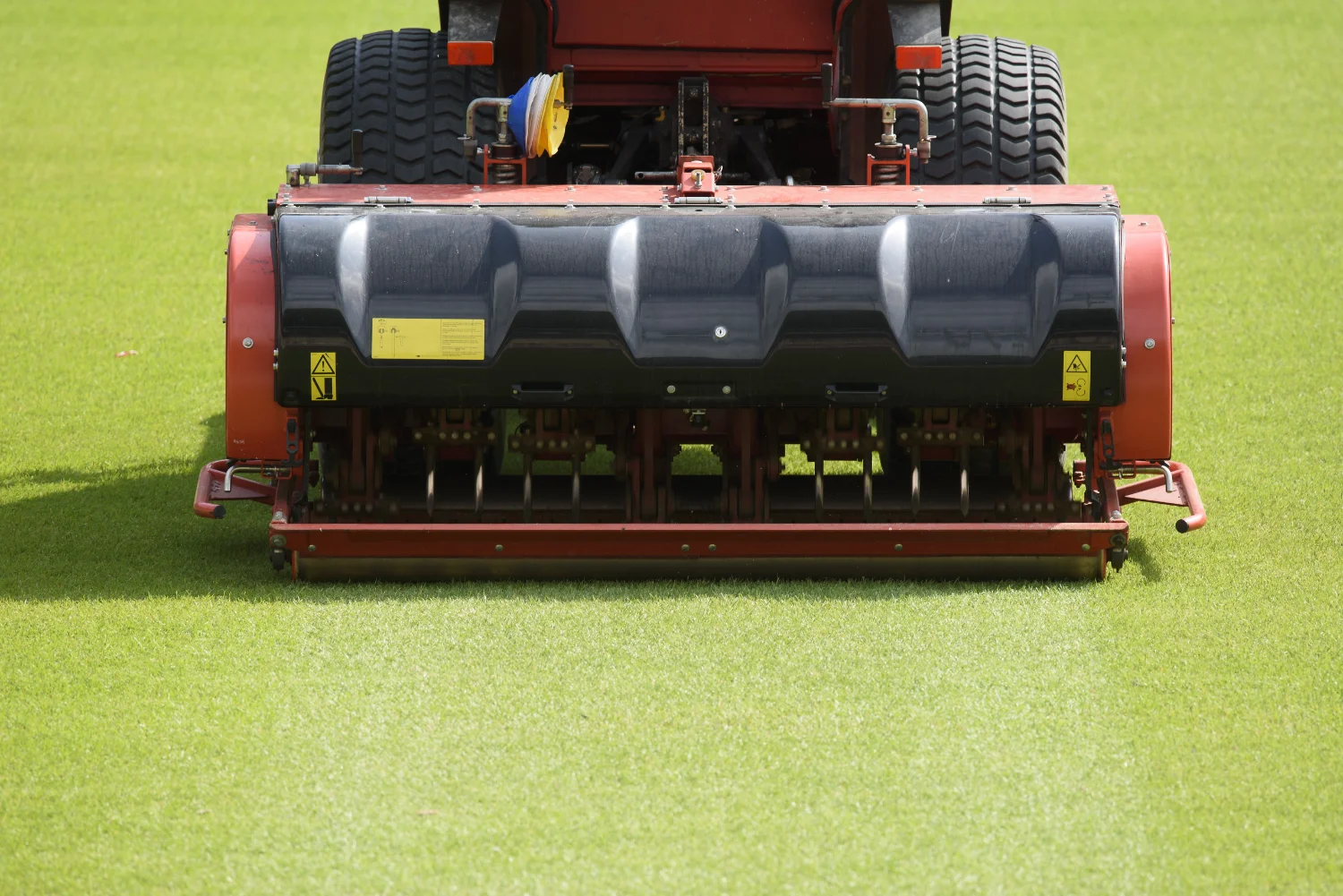
Gro and Mow is your trusted partner for premium lawn aeration and dethatching services. Perfect lawns are born from perfect care, and our highly skilled team is dedicated to providing exceptional services that cultivate vibrant, healthy lawns. We understand the importance of aeration and dethatching in maintaining the vitality of your lawn, enhancing its resilience, and promoting lush green growth. At Gro and Mow, we believe that a beautiful lawn is not just a luxury, but an investment in your property, and we are committed to making your investment flourish.
What is lawn aeration?
Lawn aeration refers to the process of perforating the soil with small holes to allow air, water, and nutrients to penetrate the grass root system . This aids the roots to grow deeply, resulting in a stronger, more vigorous lawn . The main reason for aerating is to alleviate soil compaction , which prevents the proper circulation of air, water, and nutrients within the soil. Performing lawn aeration helps to break up the compacted soil, making your lawn healthier and more durable.
The Benefits of Lawn Aeration Services
Why Aeration is Needed for a Healthy Lawn
- Enhanced Air Exchange: Aeration allows for better air exchange between the soil and the atmosphere, facilitating the grassroots' access to vital oxygen.
- Improved Water Uptake: Perforations from aeration let water get deeper into the root system, leading to less surface water runoff and more effective watering.
- Increased Nutrient Access: With aeration, nutrients can easily reach the root zone of grass, enriching the soil and making fertilizers more effective.
- Reduced Soil Compaction: Aeration relieves compressed soil, providing more room for roots to stretch and grow.
- Decreased Water Pooling: Aeration helps prevent water from pooling on the surface, reducing the risk of lawn diseases caused by excess water.
- Improved Thatch Breakdown: The process of aeration promotes the breakdown of thatch - a layer of dead grass and debris that can prevent water and nutrients from reaching the soil.
- Fostering of Microbe Activity: Aeration stimulates the activity of soil microorganisms that decompose thatch and help maintain healthy soil.
- Promotion of Seed Germination: In newly seeded lawns, aeration provides seeds with an excellent environment for growth and germination.
- Extended Lawn Lifespan: Regular aeration can extend the lifespan of your lawn, making it more lush, vibrant, and sustainable in the long term.
What happens if I don't aerate my lawn?
If you choose not to aerate your lawn, several issues might arise that can harm your lawn's health and overall appearance.
In essence, skipping lawn aeration can lead to a less healthy and less attractive yard. This is why it's important to consider regular aeration as part of your overall lawn care strategy.
Soil Compaction
Over time, the soil in your lawn can become densely packed, which prevents the proper circulation of air, water, and nutrients. This compaction makes it difficult for grass roots to penetrate the soil, leading to weaker plants and a less lush lawn.
What is dethatching?
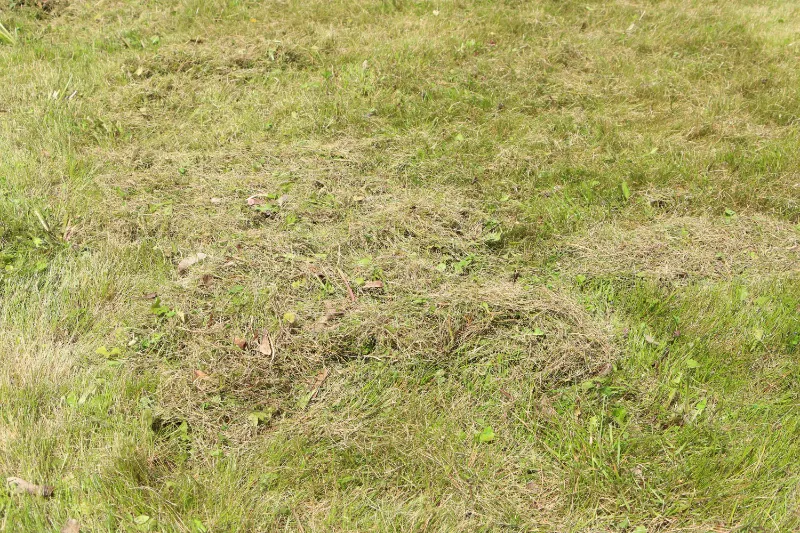
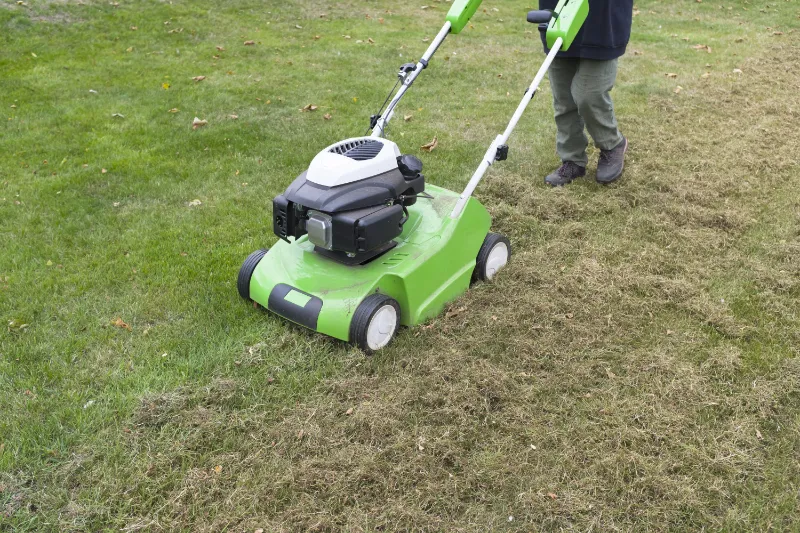
Dethatching is an essential lawn care process that involves the removal of the layer of dead grass, roots, and debris, known as thatch , that accumulates on top of the soil. While a small amount of thatch can be beneficial, providing insulation against temperature extremes and soil moisture loss, too much can create a barrier that prevents important nutrients, water, and air from reaching the grassroots. Dethatching is typically performed using a specially designed rake or a mechanized dethatcher , which uses vertical blades to slice through the thatch and bring it to the surface for removal. This process helps maintain the health and vitality of your lawn , ensuring it continues to look lush and green.
The Advantages of Dethatching Your Lawn
Why Dethatching Contributes to a Thriving Lawn:
Enhanced Water Absorption
By removing the thatch barrier, water can easily reach the soil and be absorbed by the roots.
What happens if I don't dethatch my lawn?
Neglecting to dethatch your lawn can lead to a multitude of problems that can negatively impact the health and appearance of your yard.
By being proactive about dethatching, you can maintain a healthy, green, and vibrant lawn.
- Inadequate Water and Nutrient Absorption: If thatch buildup becomes excessive, it can serve as a barrier, preventing water and essential nutrients from penetrating the soil and reaching the roots of the grass.
- Poor Air Circulation: Thatch can also inhibit air circulation within the soil. This can lead to unhealthy grass that is more susceptible to disease and pest infestations.
- Increased Pest Infestations: Thatch can provide an ideal habitat for pests. If not removed, pests may multiply, causing widespread damage to your lawn.
- Development of Lawn Diseases: Thatch can trap excessive moisture, which can lead to the growth of fungi and other lawn diseases that can quickly spread and decimate your lawn.
- Unhealthy Grass Growth: Over time, excessive lawn thatch can cause your lawn to grow thin and patchy. New grass may struggle to grow through the layer of thatch, and existing grass can become weak due to a lack of nutrients.
Tips for Preventing Thatch Buildup
Maintaining a healthy lawn involves more than just mowing and watering; it also includes preventing thatch buildup. Here are some useful tips to keep in mind:
Aerate Your Lawn Regularly
Lawn aeration involves making small holes in the soil to allow air, water, and nutrients to penetrate the grass roots . This helps the roots grow deeply and produce a stronger, more vigorous lawn , reducing thatch buildup .
Addressing Common Dethatching Misconceptions
There are several misconceptions surrounding the process of dethatching that can adversely affect one's lawn care routine. Let's address some of these.
By debunking these misconceptions, homeowners can make better-informed decisions about their lawn care routines and maintain healthier, more vibrant lawns.
Misconception 1: Dethatching is Not Necessary
Some believe that dethatching is an unnecessary task and can be overlooked. However, ignoring excessive thatch can lead to various lawn issues like poor nutrient absorption, increased pest infestations, and reduced grass growth .
Step-by-step guide to aerate and dethatch your lawn
Remember, the best time for dethatching and aerating is usually in the spring or fall, when the grass is growing actively but the weather isn't too hot.
- 01
Prepare your lawn
Before starting, ensure your lawn is ready for aeration and dethatching. Mow your lawn to about half of its regular height to make the process easier. Water your lawn one to two days ahead of the process to soften the soil.
- 02
Dethatching
Start by dethatching your lawn using a dethatching rake or a power dethatcher. Simply rake the dethatcher across your lawn to remove the layer of dead grass and debris. Be careful to avoid over-dethatching which might harm your healthy grass.
- 03
Collect the thatch
Collect and dispose of the thatch removed from your lawn. Leaving the thatch on the lawn might create a barrier preventing water, air, and nutrients from reaching the root system of the grass.
- 04
Aeration
After dethatching, aerate your lawn using a spike or plug aerator depending on your lawn size and soil type. Push the aerator across your lawn, making sure to cover all areas. This process will create small holes in the soil, allowing air, water, and nutrients to penetrate the grass roots effectively.
- 05
Overseeding and fertilizing
After aeration, it's an ideal time to overseed and fertilize your lawn. Spread grass seed evenly across the lawn, ensuring the seeds fall into the aeration holes for better contact with the soil. Follow with a slow-release fertilizer to provide necessary nutrients for new growth.
- 06
Watering
After seeding and fertilizing, water your lawn thoroughly. Continue to water daily or as needed, keeping the soil consistently moist until new grass sprouts.
- 07
Maintenance
Continue your regular lawn maintenance. Avoid heavy traffic on your lawn for a few weeks to allow new grass seeds to germinate and mature. With proper care, you should see a healthier, more vibrant lawn after aerating and dethatching.